👋 Hi, there! Welcome to the Malacrino Lab!
The Malacrino Lab in the Department of Biological Sciences at Clemson University focuses on fundamental and applied research on microbiomes.
Our research explores the complex interactions between hosts and their microbiomes, as well as the role of microbial communities across a wide range of environments. We integrate concepts from evolutionary biology, community ecology, and systems theory with state-of-the-art tools in molecular biology, high-throughput sequencing, and computational modeling. This allows us to uncover the mechanisms that govern how microbial communities assemble, function, and influence the biology of their hosts and the environment.
Latest News





Research topics
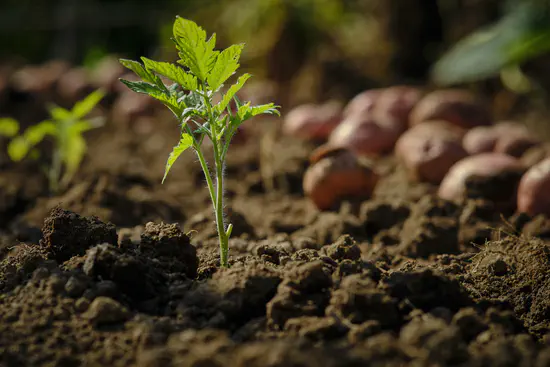
Plant holobionts
We study plants as holobionts—integrated systems made up of the plant and its associated microbial partners—to understand how this collective unit responds to environmental challenges and shapes plant health, development, and evolution.
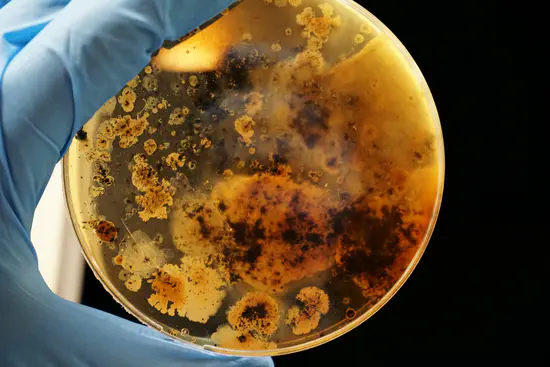
Understanding the rules behind plant microbiomes assembly
We investigate the ecological and environmental factors that govern how microbial communities assembly on plants.

Fire and soil microbiomes
We investigate how fire reshapes the structure and function of soil microbial communities, and what these shifts mean for the plants that recolonize burned ground.
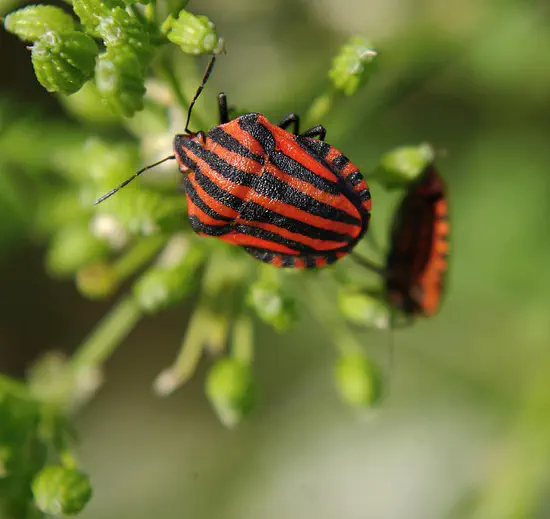
Plant-microbiome-insect interactions
We study how microbes influence plant interactions with insects, from pollinators to herbivores, and how insects in turn shape plant microbiomes.