Microbiome-Engineered Protection Against Postharvest Fungal Losses
Funder: South Carolina Department of Agriculture
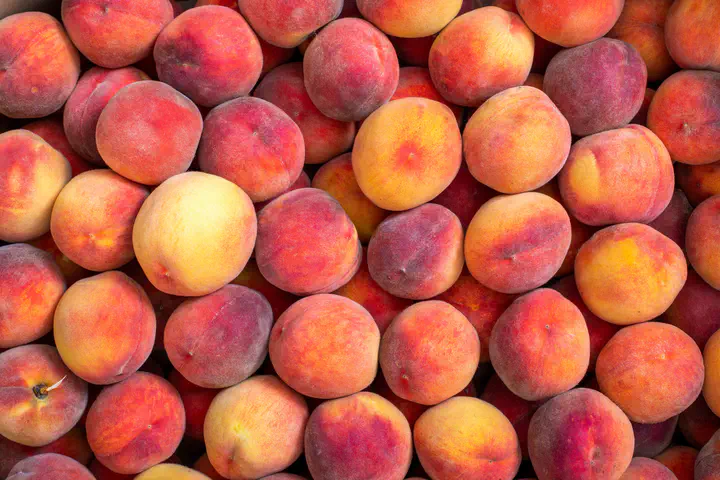
Postharvest fungal diseases are a major source of economic losses in fruit production, causing decay during storage, transport, and marketing while reducing fruit quality and shelf life. South Carolina’s peach industry is particularly affected by these challenges, which increase production costs and contribute to food waste. Developing sustainable alternatives to conventional fungicides is therefore a priority for maintaining the competitiveness of specialty crop production.
Our project investigates how the fruit microbiome—the diverse community of microorganisms naturally associated with fruit—can be harnessed to provide biological protection against postharvest diseases. Rather than relying solely on chemical treatments, the project aims to develop microbiome-based solutions that enhance the natural ability of beneficial microbes to suppress fungal pathogens. This research builds on advances in microbial ecology to create practical, environmentally friendly strategies that can be integrated into existing postharvest management systems.
This work has the potential to improve profitability for growers, decrease reliance on chemical fungicides, and promote more sustainable agricultural practices. Beyond peaches, the project will establish a broader framework for microbiome-enabled crop protection that can be adapted to other horticultural crops, contributing to food security, reduced waste, and the long-term resilience of agricultural systems.

Antonino Malacrinò
Assistant Professor
I’m a molecular ecologist interested in host-microorganism interaction.